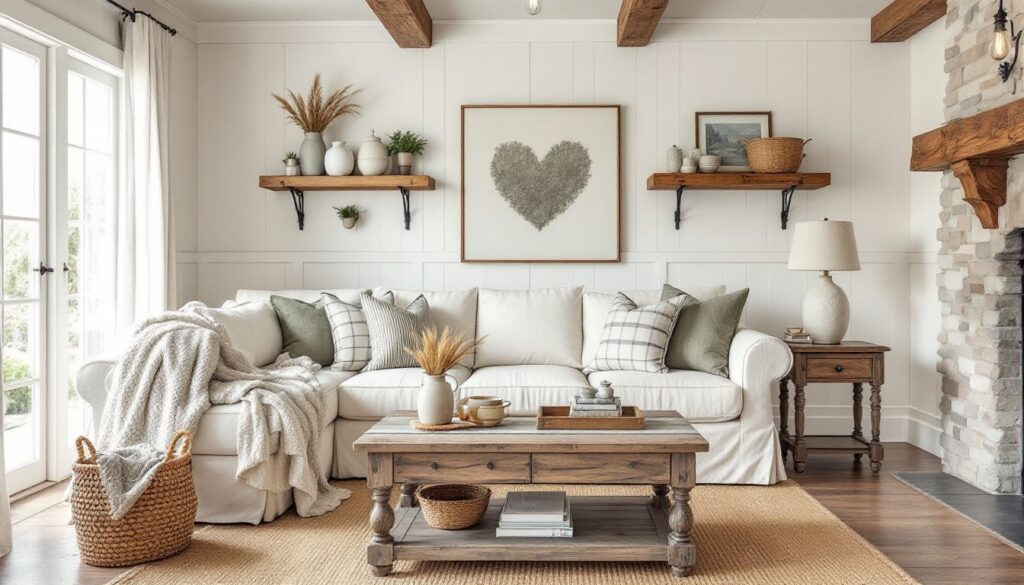

Country living rooms bring together rustic warmth, practical furniture, and timeless comfort, no Pinterest fantasies required. This style thrives on honest materials: reclaimed wood, natural textiles, and finishes that look better with age. Whether you’re working with a farmhouse original or adapting a suburban space, the goal is creating a room that feels lived-in from day one. This guide walks through color choices, furniture selection, fabric layering, and hands-on DIY projects that deliver authentic country character without the decorator price tag.
Table of Contents
ToggleKey Takeaways
- Country living room ideas prioritize honest materials like reclaimed wood, natural textiles, and functional furniture that improves with age rather than trendy décor.
- Choose warm, earthy color palettes—soft creams, sage greens, warm grays, and barn reds—that layer easily and hide wear from daily household use.
- Layer textures through cotton or linen curtains, wool rugs, chunky knit throws, and natural fiber accents to add depth and authentic coziness without clutter.
- Build storage that doubles as display using open shelving, hutches, and woven baskets to showcase everyday items while maintaining the collected, lived-in aesthetic.
- DIY projects like board-and-batten walls, painted furniture refreshes, and floating shelves require only basic carpentry skills and deliver authentic country character on a budget.
What Defines a Country Living Room Style?
Country style prioritizes function over fuss. The look centers on natural materials, solid wood furniture, exposed beams, stone or brick accents, and floors in wide-plank hardwood or distressed laminate. Unlike modern farmhouse trends that lean heavily white, traditional country embraces warmer tones and visible grain.
Key characteristics include:
- Furniture with visible joinery (dovetails, mortise-and-tenon) and minimal veneer
- Architectural details like wainscoting, board-and-batten, or simple crown molding
- Open shelving or glass-front cabinets that display everyday items
- Layered textiles in cotton, linen, wool, or chenille
- Minimal metal accents, typically in oil-rubbed bronze, wrought iron, or brushed nickel
Country design evolved from practical farmhouse living, so storage doubles as display, seating accommodates groups, and surfaces withstand daily use. If a piece can’t handle a coffee spill or a dog’s paws, it doesn’t belong here.
This style works in homes of any age. In older structures, preserve original woodwork and hardware. In newer builds, add architectural interest with salvaged beams (non-structural), shiplap accent walls, or DIY board-and-batten wainscoting installed over drywall.
Choosing the Perfect Color Palette for Country Comfort
Country palettes draw from natural surroundings: earth tones, muted greens, warm neutrals, and aged reds. These colors layer easily and hide the wear that comes with active households.
Foundational wall colors:
- Warm whites and creams (Benjamin Moore’s Swiss Coffee, Sherwin-Williams’ Alabaster): Reflect light without the starkness of pure white. Coverage typically runs 350–400 sq ft per gallon with quality paint.
- Soft grays with warm undertones (Agreeable Gray, Edgecomb Gray): Pair well with natural wood without reading cold.
- Muted sage, olive, or moss greens: Work as accent walls behind open shelving or fireplace surrounds.
- Barn red, mustard, or navy: Use sparingly on single walls, built-ins, or painted furniture.
Trim and millwork: Most country rooms use off-white or cream trim rather than bright white. This softens contrast and complements aged wood tones.
Ceiling considerations: Stick with flat or eggshell white to maximize light reflection. If exposing ceiling joists or beams, seal raw wood with clear matte polyurethane or leave natural if the wood’s already aged.
Test paint samples on at least two walls, one receiving direct light, one in shadow. Natural light shifts throughout the day, and country colors rely on that variation for depth. Many design styles emphasize how lighting conditions transform color perception in lived-in spaces.
Essential Furniture Pieces That Capture Farmhouse Charm
Country furniture favors solid construction over trends. Look for pieces with heft, visible joinery, and finishes that show character.
Seating:
- Slipcovered sofas and chairs: Cotton or linen slipcovers in natural tones wash easily and soften over time. Choose furniture with removable covers to simplify cleaning.
- Upholstered pieces in durable fabrics: Heavyweight cotton duck, canvas, or performance blends (like Crypton or Sunbrella) handle kids and pets. Avoid delicate silks or velvets.
- Wooden rockers or Windsor chairs: Classic farmhouse seating that doubles as task chairs.
Tables:
- Reclaimed wood coffee tables: Look for tops made from actual barn siding or salvaged flooring (3/4″ thick minimum for stability). Confirm the wood’s been kiln-dried and sealed to prevent warping.
- Turned-leg side tables: Simple lathe work in oak, maple, or pine. Unfinished pieces can be stained or painted to match your palette.
Storage:
- Open shelving or hutches: Display everyday dishes, baskets, or books. Install shelving with brackets rated for the load, use at least two 2″ screws into wall studs for each bracket.
- Trunks or blanket chests: Functional storage that doubles as coffee tables or bench seating. Vintage finds often need new hinges: use piano hinges for even weight distribution.
Scale matters. Measure doorways and traffic paths before buying. A standard sofa runs 36″ deep: add another 24–36″ for walkways. If you’re refinishing furniture, strip old finishes outdoors or in a well-ventilated space wearing a respirator rated for organic vapors (not just a dust mask).
Textures and Fabrics: Layering Warmth and Coziness
Texture separates amateur country styling from the real thing. Layer natural materials in varied weights to add depth without clutter.
Window treatments:
- Linen or cotton curtains: Hang panels on simple rods in oil-rubbed bronze or matte black. For energy efficiency, line curtains with blackout fabric using clip-on rings.
- Roller shades in natural materials: Bamboo, jute, or matchstick shades filter light and pair well with curtains for insulation.
Rugs:
- Wool or jute area rugs: Choose flat-weave or low-pile styles that vacuum easily. Size rugs so front furniture legs rest on the rug, this anchors seating groups. An 8′ x 10′ rug suits most living rooms: measure before ordering.
- Layering technique: Place a smaller patterned rug (stripes, checks, or faded florals) over a larger neutral jute rug for dimension.
Throws and pillows:
- Chunky knit or cable-knit throws: Drape over sofa arms or the back of chairs. Wool blends hold up better than acrylic.
- Pillow covers in ticking stripe, linen, or grain sack fabric: Mix solids with subtle patterns. Swap covers seasonally rather than buying new inserts.
Upholstery choices:
- Cotton canvas (12 oz or heavier) and linen blends wear well and soften with washing.
- Avoid synthetics that pill or thin vinyls that crack, country style improves with age, not replacement.
When sewing custom pillow covers or curtains, prewash all natural fabrics to allow for shrinkage (typically 3–5% in cotton and linen). Press seams open for a flatter finish.
Decorative Accents and Finishing Touches for Authentic Appeal
Country accents should feel collected, not coordinated. Mix vintage finds with functional pieces and avoid matchy-matchy sets.
Wall decor:
- Salvaged architectural elements: Old window frames, shutters, or corbels add dimension. Mount lightweight pieces with picture-hanging wire and D-rings: heavier items need screws into studs.
- Vintage signs, mirrors, or botanical prints: Frame in simple wood or leave unframed for a casual look. Gallery walls work if frames vary slightly in finish and style.
Lighting:
- Wrought iron or bronze chandeliers: Choose fixtures with exposed bulbs or simple shades. For rooms with 8′ ceilings, hang chandeliers so the bottom sits 30–34″ above the coffee table.
- Ginger jar or ceramic table lamps: Look for bases in cream, soft blue, or earth tones with linen drum shades.
- Edison bulbs or warm-white LEDs (2700K): Create the amber glow of old incandescent lighting.
Accessories:
- Stoneware crocks, ironstone pitchers, or enamelware: Display on open shelves or mantels. Vintage pieces often have chips, embrace the patina.
- Woven baskets: Use for storage (firewood, throws, magazines) in varying sizes. Seagrass and rattan age well and handle moisture.
- Fresh or dried botanicals: Cotton stems, wheat stalks, or eucalyptus branches in crocks or galvanized buckets.
Fireplace surrounds:
If you have a brick or stone fireplace, leave it exposed. For builder-grade surrounds, consider adding a reclaimed wood mantel. Secure mantels with heavy-duty brackets anchored into studs: a typical 6′ mantel (6″ x 6″ beam) weighs 30–50 lbs. Regional home trends, especially those reflecting western living aesthetics, often integrate natural stone and wood mantels as focal points.
Budget-Friendly DIY Country Living Room Projects
Country style suits DIY work, most projects require basic carpentry skills and common tools.
1. Board-and-batten accent wall
- Materials: 1×2 or 1×3 pine boards (actual dimensions 3/4″ x 1.5″ or 3/4″ x 2.5″), construction adhesive, finishing nails, paint.
- Process: Mark vertical batten placement 12–16″ apart. Adhere boards to drywall with adhesive, then secure with a brad nailer or 18-gauge finishing nails. Fill nail holes, caulk seams, prime, and paint.
- Time: One weekend for a 10′ x 8′ wall.
2. Reclaimed wood floating shelves
- Materials: Salvaged wood planks (2″ thick minimum for span over 36″), floating shelf brackets rated for weight, wood screws.
- Process: Sand and seal wood with matte polyurethane. Locate studs with a stud finder. Install brackets level, then slide shelves onto brackets. Each bracket pair should support 50 lbs minimum, check product specs.
- Tool note: A circular saw works for cuts, but a miter saw delivers cleaner edges on end grain.
3. Painted furniture refresh
- Best candidates: Solid wood dressers, side tables, or chairs from thrift stores.
- Process: Clean with TSP substitute, lightly sand with 120-grit paper, prime with bonding primer (like Zinsser Bulls Eye 1-2-3), apply two coats of satin or eggshell latex, then distress edges with 220-grit sandpaper. Seal with water-based polycrylic for durability.
- Safety: Work outdoors or in a ventilated garage. Wear nitrile gloves and safety glasses.
4. DIY farmhouse coffee table
- Materials: Two 2x4s (actual 1.5″ x 3.5″), four 4×4 legs (actual 3.5″ x 3.5″), plywood or reclaimed boards for the top, wood glue, 2.5″ pocket-hole screws.
- Process: Build a simple frame with 2x4s using a Kreg Jig for pocket holes. Attach legs with corner braces. Secure top boards with screws from underneath. Sand, stain, and seal.
- Skill level: Intermediate. Requires a drill, circular saw, and pocket-hole jig.
Many southern-inspired home projects incorporate similar reclaimed wood techniques and painted furniture updates for authentic regional character.
Conclusion
Country living rooms succeed when they balance comfort, durability, and honest materials. Start with a neutral palette and solid furniture, then layer in textiles and salvaged accents over time. Most projects need only basic tools and carpentry skills, and the beauty of country style is that imperfections add character instead of detracting from it. Focus on pieces that’ll age well, and your space will feel more authentic with every passing year.