
Mid century modern design isn’t just a trend, it’s a design philosophy that’s been influencing living spaces since the 1950s and 60s. The style balances clean lines with organic forms, pairs function with beauty, and creates rooms that feel both sophisticated and livable. Whether you’re starting from scratch or updating existing furniture, achieving an authentic mid century modern living room doesn’t require a museum-quality budget or a degree in design history. It does require understanding the core principles of the era and knowing which elements make the biggest impact. This guide walks through the essential decisions, from furniture profiles to color blocking, that’ll help homeowners create a space that honors the era without feeling like a time capsule.
Table of Contents
ToggleKey Takeaways
- Mid century modern living room design prioritizes clean lines, functional furniture with tapered legs, and honest materials like wood and leather without excessive ornamentation.
- Authentic mid century style relies on low-profile sofas (16-18 inches high), statement credenzas, and sculptural lighting like Sputnik chandeliers or arc lamps that serve as functional art.
- A period-accurate color palette uses warm neutrals (greige, walnut, charcoal) as the base with restrained pops of saturated accent colors like mustard, burnt orange, or teal on one or two statement pieces.
- Balance minimalism with warmth by layering different upholstery textures, mixing wood tones, incorporating area rugs, and adding plants to prevent the space from feeling cold or sparse.
- Mid century modern living room ideas are budget-friendly when you mix vintage statement pieces with affordable reproductions, DIY furniture leg swaps, and thrift store accessories ($2,500–$5,000 for a full refresh).
- Success comes from exercising restraint with curated, edited accessories and floating furniture to create intentional negative space rather than pushing everything against walls.
What Defines Mid Century Modern Living Room Design?
Mid century modern emerged in post-war America when designers prioritized affordability, mass production, and democratic access to good design. The aesthetic strips away ornament in favor of honest materials and purposeful form.
Key characteristics include:
• Low-profile furniture with tapered or hairpin legs that create visual lightness
• Minimal ornamentation, no carvings, tufting, or excessive detailing
• Natural material honesty, exposed wood grain, leather, and metal without disguise
• Organic and geometric shapes often mixed in the same room
• Integration of indoor and outdoor spaces through large windows and natural light
• Functional design, every piece serves a purpose without sacrificing aesthetics
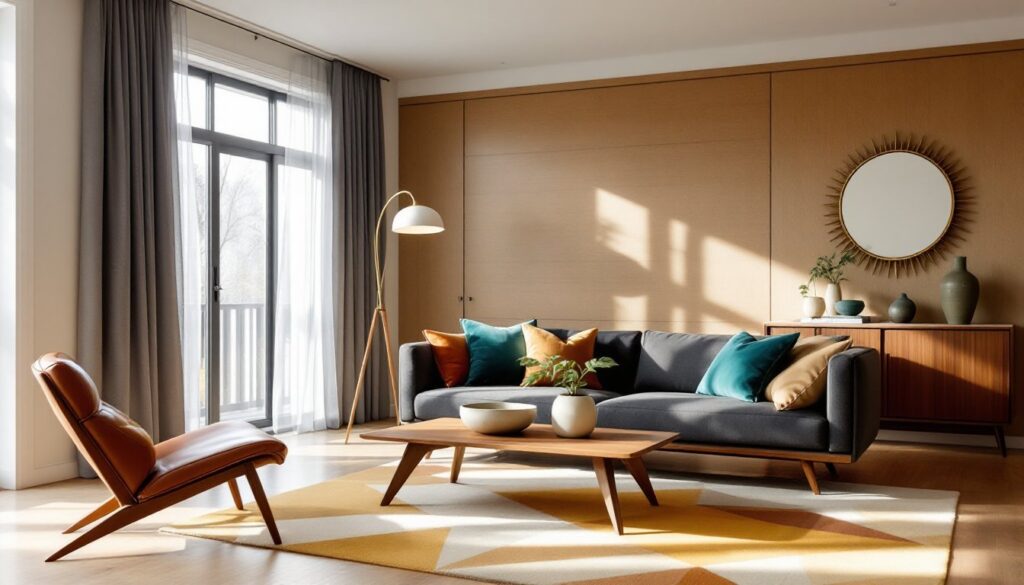
The living room typically features a low-slung sofa, armchairs with exposed wooden frames, and case goods (sideboards, credenzas, or media consoles) that sit close to the floor. Unlike minimalism, which can feel stark, mid century modern invites warmth through wood tones, textured fabrics, and curated accessories.
Understanding these principles helps distinguish authentic mid century style from generic “retro” furniture. A true mid century piece prioritizes proportion and craftsmanship, joints should be clean, legs should be angled intentionally, and upholstery should be tailored without excess.
Choose the Right Furniture for Authentic Mid Century Style
Furniture selection makes or breaks the look. Focus on profiles and proportions before worrying about color or fabric.
Sofa: Look for clean-lined frames with track or slightly flared arms. Seat height typically runs 16-18 inches, lower than contemporary sofas. Avoid rolled arms, skirting, or deep tufting. Legs should be tapered wood (walnut or teak are period-accurate) or angled metal. Three-seater sofas usually measure 72-84 inches long.
Lounge chairs: Iconic options include Eames lounge replicas, Womb chairs, or simpler armchairs with exposed wooden frames and foam cushions. The key is a sculptural silhouette, these aren’t bulky recliners. Look for pieces where the frame is part of the design, not hidden under fabric.
Coffee and side tables: Keep them low (coffee tables around 14-16 inches high) with simple tops, rectangular, oval, or kidney-shaped. Materials like walnut, teak, or rosewood pair well with hairpin or tapered legs. Glass tops with wooden bases also fit the era.
Storage: A credenza or low media console is nearly essential. These long, horizontal pieces (often 60-72 inches wide) provide storage while maintaining the room’s low visual plane. Look for sliding doors, angled legs, and compartmentalized interiors.
Material notes: Solid wood is ideal, but quality veneers were common in the era and remain a cost-effective choice. Avoid particle board with vinyl wrap, it won’t hold up and looks cheap. If buying vintage, inspect joints for stability and check for veneer lifting or water damage.
Many enthusiasts turn to contemporary furniture resources when sourcing both vintage originals and high-quality reproductions that honor period design principles.
Select a Color Palette That Captures the Era
Mid century color schemes aren’t as restrictive as you might think. While neutrals dominate, strategic pops of saturated color define the look.
Base palette:
• Walls: Warm whites, soft grays, or greige tones (avoid stark white, which reads too contemporary)
• Wood tones: Walnut, teak, and lighter ash or oak, these warm browns anchor the space
• Neutral upholstery: Charcoal, tan, olive, or cognac leather
Accent colors (use sparingly on 1-2 statement pieces):
• Mustard yellow, burnt orange, avocado green, quintessential 60s shades
• Teal, turquoise, and robin’s egg blue, cooler options that still feel period
• Burnt sienna, rust, and clay tones, earthier alternatives
The trick is restraint. A single accent chair in mustard velvet or throw pillows in burnt orange provide visual interest without overwhelming the room. Avoid matching sets, mid century style embraced mix-and-match coordination rather than matchy-matchy suites.
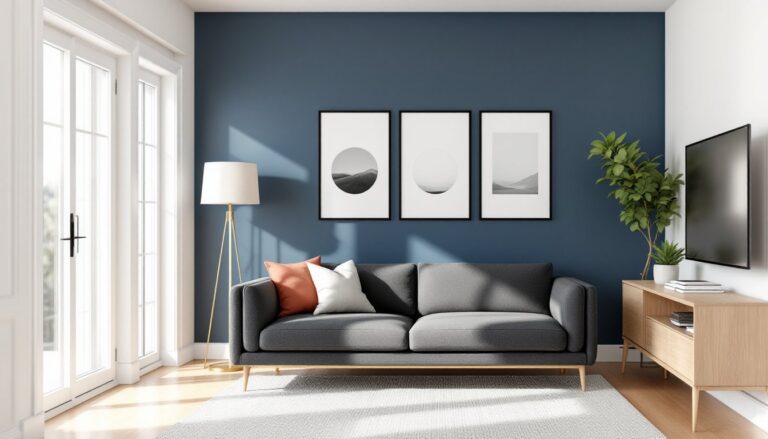
Wall treatments: Most mid century living rooms kept walls simple, but accent walls in wood paneling (vertical or horizontal tongue-and-groove), brick, or stone added texture. If painting, consider a single wall in a deeper tone like charcoal gray or olive green behind the sofa or media console.
Flooring: Hardwood in medium-to-dark tones is most authentic. If installing new flooring, oak or walnut in 3-4 inch planks works well. For budget renovations, luxury vinyl plank (LVP) in walnut or teak tones provides a convincing alternative. Area rugs should be low-pile: geometric patterns, abstract shapes, or solid colors in wool or flat-weave.
Incorporate Iconic Lighting and Accessories
Lighting in mid century design is sculptural, fixtures are objects of interest, not just functional necessities.
Lighting options:
• Sputnik chandeliers: Multi-arm fixtures with globe or cone-shaped bulbs radiating from a central sphere. Brass or matte black finishes work best. Install centered in the room or over a conversation area: ensure the fixture hangs at least 7 feet from the floor.
• Arc floor lamps: A tall, curved pole that arches over seating, ending in a dome or globe shade. The base should be weighted (marble or heavy metal). Position the arc to illuminate reading areas without requiring a side table.
• Tripod floor lamps: Three-legged wooden or metal bases with drum or cone shades. These provide ambient light and sculptural interest in corners.
• Pendant lights: Single-bulb pendants with geometric shades, think inverted cones, spheres, or cylindrical shapes in brass, wood, or frosted glass.
For design inspiration on contemporary interpretations of mid century lighting, many designers reference modern design resources that showcase updated takes on classic forms.
Accessories to complete the look:
• Wall art: Abstract prints, geometric patterns, or large-scale photography. Avoid ornate frames, use simple wood or metal frames in black, natural wood, or brass.
• Ceramics and pottery: Low bowls, vases with organic shapes, and sculptural pieces in earth tones or bold glazes.
• Textiles: Throw pillows in geometric prints or solid velvets. Avoid florals or overly busy patterns.
• Plants: Fiddle leaf figs, snake plants, or rubber trees in simple ceramic or wooden planters. Mid century design celebrated biophilic elements.
• Mirrors: Sunburst mirrors (brass or gold-toned rays radiating from a central mirror) or simple round mirrors with thin frames.
Keep surfaces edited. A few well-chosen objects on a credenza or coffee table beat a cluttered collection every time.
Balance Minimalism with Warmth and Texture
A common mistake is making a mid century living room feel cold or sparse. The style is minimal, but not austere, texture and layering add essential warmth.
Add texture through:
• Upholstery fabrics: Mix leather, velvet, linen, and wool. A leather sofa pairs well with a velvet accent chair and linen throw pillows.
• Wood grain variety: Don’t feel locked into one wood tone. Mixing walnut case goods with teak side tables adds depth.
• Textiles: A 6×9-foot or 8×10-foot area rug grounds the seating area. Choose low-pile options in geometric patterns, stripes, or solid colors. Layering a smaller hide or sheepskin rug over a larger flatweave adds dimension.
• Wall treatments: As mentioned earlier, a wood-paneled accent wall or exposed brick introduces tactile interest.
Balancing act: The room should feel open and uncluttered, but not empty. Aim for negative space around furniture, don’t push everything against walls. Float the sofa a few feet from the wall if the room allows, with a console table behind it. This creates circulation and makes the space feel intentional.
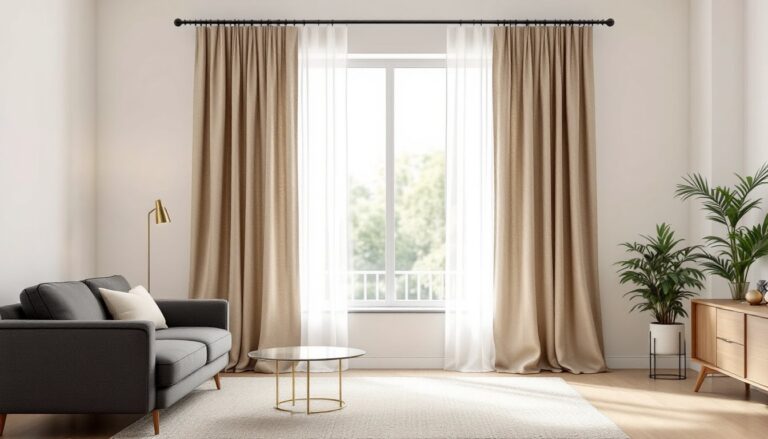
Window treatments: Keep them simple. Floor-to-ceiling curtains in linen or cotton (avoid heavy drapes or valances) soften windows without blocking light. Alternatively, leave windows bare if privacy isn’t a concern, the era celebrated natural light and outdoor views.
For additional ideas on balancing modern aesthetics with comfort, homeowners often explore home decor trends that blend mid century principles with contemporary livability.
Budget-Friendly Ways to Achieve the Mid Century Look
Authentic vintage pieces can run hundreds or thousands of dollars, but the look is achievable at multiple price points.
Money-saving strategies:
-
Mix vintage and reproduction: Splurge on one or two vintage statement pieces (a credenza or lounge chair) and fill in with affordable reproductions for the sofa or side tables. Estate sales, Craigslist, and Facebook Marketplace yield deals on real mid century furniture, just inspect for structural soundness and be prepared to reupholster.
-
DIY furniture legs: Swap out bulky furniture legs for tapered wooden legs (available in sets of four for $20-40). This works on existing sofas, chairs, or dressers to instantly shift the profile. Make sure the attachment plate matches your furniture’s existing mounting system.
-
Paint and refinish: A dated wooden dresser or sideboard can be stripped and refinished in walnut stain or painted in period colors. Use 80-grit sandpaper to remove old finish, follow with 120-grit for smoothness, then apply stain or paint and a clear polyurethane topcoat.
-
Focus on lighting: A statement light fixture (Sputnik chandelier or arc lamp) can shift a room’s entire feel for $100-300. This is often a better investment than a mediocre sofa.
-
Thrift and repurpose: Look for ceramic vases, brass objects, and framed art at thrift stores. A $5 brass bowl becomes a credenza accent: a $10 abstract print in a simple frame adds wall interest.
-
Prioritize fewer, better pieces: Instead of filling the room with budget furniture, buy fewer items of higher quality. A well-made walnut coffee table will outlast three particleboard versions and look better the entire time.
Cost expectations (mid-2026 pricing, varies by region and market):
• Reproduction sofa: $800-$2,000
• Vintage lounge chair (restored): $400-$1,200
• New credenza (quality veneer): $600-$1,500
• Lighting fixture (statement piece): $100-$400
• Area rug (8×10): $200-$600
Budget $2,500-$5,000 for a full living room refresh with a mix of vintage and new pieces.
Conclusion
Creating a mid century modern living room comes down to understanding proportion, respecting material honesty, and exercising restraint. Focus on low-profile furniture with clean lines, warm wood tones balanced by strategic color, and sculptural lighting that doubles as art. The style works because it’s fundamentally practical, every piece serves a purpose, and quality craftsmanship means furniture lasts decades. Whether sourcing vintage treasures or selecting thoughtful reproductions, the result should feel curated, not cluttered, and timeless rather than trendy.