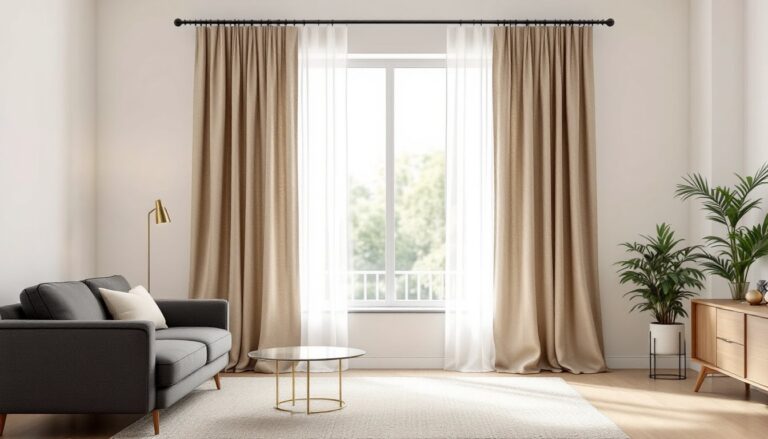
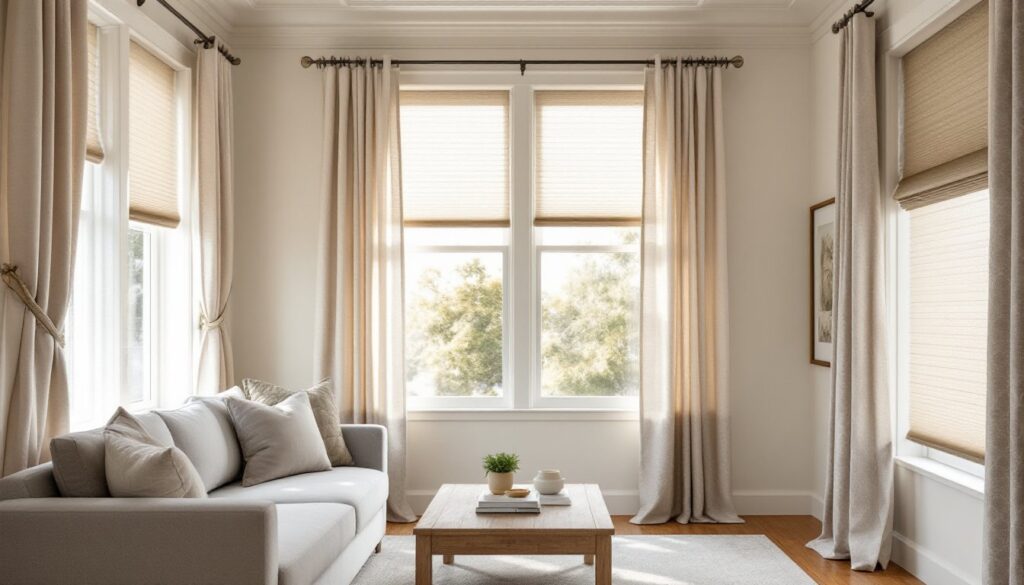

Windows shape a living room’s character more than most homeowners realize. They control light, frame views, and anchor the room’s visual balance, but bare glass rarely does the job alone. Whether dealing with harsh afternoon glare, street-facing privacy concerns, or simply outdated treatments from the previous owner, the right window solution changes how a space feels and functions. This guide walks through proven window treatment strategies that work for real living rooms, from budget roller shades to layered drapery systems, with practical installation tips and material recommendations that DIYers can tackle in a weekend.
Table of Contents
ToggleKey Takeaways
- Living room window ideas should balance light control, privacy, and architectural style—with inside-mount treatments for modern homes and outside-mount options to visually enlarge smaller windows.
- Layering treatments like sheer curtains over cellular shades or roller shades behind drapes provides flexibility for different times of day while maintaining energy efficiency and style.
- Cellular shades with top-down/bottom-up operation solve the common challenge of privacy without darkness, letting homeowners control daylight while blocking street-level sightlines.
- Budget-friendly upgrades like fabric valances over builder-grade blinds, iron-on hem curtains from dropcloths, and tension rods for renters deliver high-impact results in a weekend for under $100 per window.
- Proper hardware installation into wall studs or rated anchors is essential—a 10-foot rod with heavyweight drapes can exceed 15 pounds, and drywall anchors alone will sag within months.
Choosing the Right Window Treatment Style for Your Living Room
Start by assessing three factors: light control needs, privacy requirements, and architectural style. South-facing windows flood rooms with light but cause furniture fade and glare on screens, these need treatments with UV-blocking fabrics or adjustable opacity. Street-level windows demand privacy without sacrificing daylight, while upper-floor windows can go sheer or bare.
Measure window dimensions before shopping. Inside-mount treatments fit within the window frame (requires at least 2 inches of depth) and look clean on newer construction. Outside-mount hardware attaches to the wall or trim, adding visual height and width, useful for making small windows appear larger or covering awkward gaps. Standard ready-made panels come in 63″, 84″, 95″, and 108″ lengths: custom sizing costs 30–50% more but eliminates puddling or too-short hems.
Consider the room’s existing design language. Traditional living rooms with crown molding and wainscoting pair naturally with pleated drapes or wood blinds. Mid-century and contemporary spaces lean toward minimalist roller shades, cellular shades, or simple linen panels. Farmhouse styles work with cafe curtains, shutters, or burlap-blend textiles. Mismatched style is the fastest way to make a treatment look like an afterthought.
Curtains and Drapes: Classic Elegance Meets Modern Function
Curtains (unlined or single-layer fabric) and drapes (lined, often heavier) remain the most versatile window treatment. They soften hard architectural lines, add color, and can be swapped seasonally without tools.
Fabric and Opacity
Choose fabric weight based on function. Sheer voile or linen blends filter light while maintaining daytime privacy (but show silhouettes at night when lights are on). Mid-weight cotton, polyester blends, and cotton-linen mixes offer moderate light blocking and come in hundreds of patterns. Blackout-lined drapes use a foam or tightly woven backing, ideal for media rooms or east-facing windows that catch early sun.
Avoid synthetic fabrics in rooms with radiant heat or south-facing sun, they fade and degrade faster than natural fibers. Pre-washed cotton shrinks less but wrinkles more: poly-cotton blends resist wrinkles but can look flat under certain light.
Hardware and Hanging
Rods should extend 4–6 inches beyond each side of the window frame for panels to stack back without blocking glass. Mount brackets 4–6 inches above the frame to add visual height. For 8-foot ceilings, this often means positioning the rod near the ceiling line.
Install brackets into wall studs (typically 16 inches on center in modern framing) or use hollow-wall anchors rated for the combined weight of rod and fabric. A 10-foot rod with heavyweight drapes can exceed 15 pounds, drywall anchors alone will sag within months.
Ring clips offer the easiest DIY hanging method and work with any fabric, even flat panels without rod pockets. Grommet panels slide smoothly and suit contemporary spaces. Pinch-pleat and goblet-pleat headers require more sewing skill but deliver a tailored, high-end look that many designers still favor for traditional living room curtain ideas.
Blinds and Shades: Sleek, Contemporary Window Solutions
Blinds and shades offer precise light control with minimal visual bulk, a better fit for modern interiors and rooms where curtains would overwhelm the architecture.
Horizontal Blinds
Faux wood blinds (PVC or composite) resist moisture and warping better than real wood, making them suitable for living rooms adjacent to kitchens or in humid climates. They come in 1″, 2″, and 2.5″ slat widths: wider slats suit larger windows and read more contemporary. Aluminum mini-blinds (0.5–1″ slats) are the budget choice but dent easily and look institutional unless paired with valances or curtains.
Install inside-mount blinds by securing brackets to the window frame header, pre-drill to avoid splitting wood trim. Outside-mount requires anchoring into drywall or studs above the window.
Roller and Cellular Shades
Roller shades are the workhorse of minimalist design: a single fabric layer that rolls onto a tube mechanism. Choose light-filtering polyester for soft glow or blackout vinyl for full darkness. Cordless lift and motorized options meet current safety standards, corded blinds are banned in many jurisdictions for homes with children under five.
Cellular (honeycomb) shades trap air in their pocketed structure, adding R-value of 2–5 depending on cell depth. Single-cell shades (3/8″ or 1/2″) work for standard windows: double-cell (3/4″) improves insulation on large or drafty glass. Top-down/bottom-down operation lets homeowners lower the top for light while keeping the bottom raised for privacy, useful for street-facing living rooms.
Vertical Blinds and Panel Tracks
For sliding glass doors or floor-to-ceiling windows, vertical blinds with 3.5″ fabric or PVC vanes rotate for light control and stack to one side for access. Panel track systems use 24–36″ wide fabric panels that glide on multi-track rails, cleaner lines than verticals but require more wall clearance. Both require anchoring the headrail into ceiling joists or blocking: drywall alone won’t support the lateral stress of daily operation.
Layering Window Treatments for Depth and Versatility
Layering combines the light control of blinds or shades with the softness and style of curtains, offering flexibility for different times of day and seasons.
Classic Pairing: Sheer Curtains Over Cellular Shades
Install cellular shades inside the window frame for daytime privacy and energy efficiency, then hang sheer linen or voile panels on a rod mounted 4 inches above and outside the frame. The sheers filter harsh light and soften the hard edges of the shade during the day: lower the cellular shade at night for full privacy.
Modern Approach: Roller Shades Behind Drapes
Mount a blackout or light-filtering roller shade inside the frame, then hang solid or patterned drapes on an outside-mount rod. This setup is popular in home theaters and bedrooms but works equally well in living rooms where afternoon sun causes screen glare. The drapes stay open most of the time, revealing the clean shade: close them for insulation or a finished look when entertaining.
Hardware Considerations
Double-rod brackets let you hang sheers on the inner rod and heavier drapes on the outer, both treatments open and close independently. Ensure the outer rod projects at least 3–4 inches from the wall to prevent drapes from crushing the sheers or blinds behind them. If mounting on trim instead of drywall, use 1.5″ screws into solid wood: avoid over-tightening to prevent cracking painted trim.
Maximizing Natural Light While Maintaining Privacy
Privacy without darkness is the most common challenge in living rooms, especially those facing streets, sidewalks, or neighboring homes.
Top-Down Shades and Cafe Curtains
Top-down cellular or Roman shades lower from the header while leaving the bottom sealed, letting in upper daylight and views of the sky while blocking sightlines into the room. Cafe curtains cover only the lower half of the window, mounted on a tension rod or small brackets at the midpoint. Both solutions suit kitchens and dining areas but work in casual living rooms with cottage or farmhouse aesthetics.
Sheer and Semi-Sheer Fabrics
Voile, organza, and lightweight linen blends diffuse light while obscuring detail, passersby see only vague shapes and movement, not furniture or occupants. During daylight, sheers provide sufficient privacy for most living rooms. At night, interior lighting reverses the effect, making sheers nearly transparent from outside: pair them with blinds, shades, or blackout drapes that close after dark.
Window Film and Frosted Glass Solutions
Adhesive window film in frosted, etched, or decorative patterns offers permanent or semi-permanent privacy without hardware. It’s a clean solution for modern interiors and eliminates maintenance. Most films block 95% of UV rays, protecting flooring and upholstery from fade. Film installation requires careful surface prep, clean glass thoroughly with isopropyl alcohol and squeegee out air bubbles during application. For design flexibility that matches modern interior styling approaches, removable static-cling films let homeowners change patterns seasonally.
Budget-Friendly DIY Window Makeover Ideas
High-impact window upgrades don’t require custom workrooms or four-figure invoices. These projects take a weekend and cost under $100 per window.
Upgrade Builder-Grade Blinds with Fabric Valances
Many homes come with basic white blinds that function fine but look institutional. Build a simple cornice or fabric-wrapped valance to conceal the hardware and add color. Cut 1×4 or 1×6 boards to span the window width plus 2 inches on each side, assemble a three-sided box (top and two returns), wrap with batting and fabric, then mount above the window with L-brackets into studs. This hides the blind’s headrail while leaving the slats fully functional.
DIY No-Sew Curtains from Dropcloth or Tablecloths
Canvas dropcloths (available at any paint store) make durable, neutral curtains, hem with iron-on tape or fabric glue. Flat tablecloths in linen or cotton blends work the same way. Add clip rings to the top edge and hang on a standard rod. The unfinished look suits farmhouse and casual interiors: for a more polished finish, sew or glue 2-inch grosgrain ribbon along the leading edge and hem.
Tension Rods and Command Hooks for Renters
Tension rods fit inside window frames without drilling, ideal for apartments and rentals. They hold lightweight curtains, sheers, and café panels up to about 5 pounds. For heavier treatments, use heavy-duty adhesive hooks rated for 5–10 pounds each, mounted on the wall or trim above the window. Follow the package’s surface prep and curing time (usually 24 hours before hanging weight). When it’s time to move, adhesive strips remove cleanly from most painted surfaces if pulled slowly at a 45-degree angle.
Paint or Stain Existing Wood Blinds
Faded or mismatched wood blinds respond well to light sanding and a fresh coat of stain or paint. Lower the blinds fully, tilt slats closed, and spray or brush on thin coats. Use a primer for drastic color changes or when painting over stained wood. Let dry 24 hours between coats: flip the slats to coat the reverse side. This works best on real wood, faux wood blinds have a vinyl coating that doesn’t accept stain and requires specialty plastic-bonding primers. For practical guides on small-space makeovers and budget renovations, many design sites showcase similar transformation projects.
Conclusion
Living room windows deserve more than leftover curtains or builder-grade mini-blinds. The right treatment balances light, privacy, and style, and most installs require only a drill, level, and tape measure. Start with accurate measurements, pick materials suited to your light and privacy needs, and don’t skip the hardware quality. A well-executed window treatment anchors the room’s design and solves practical problems at the same time.