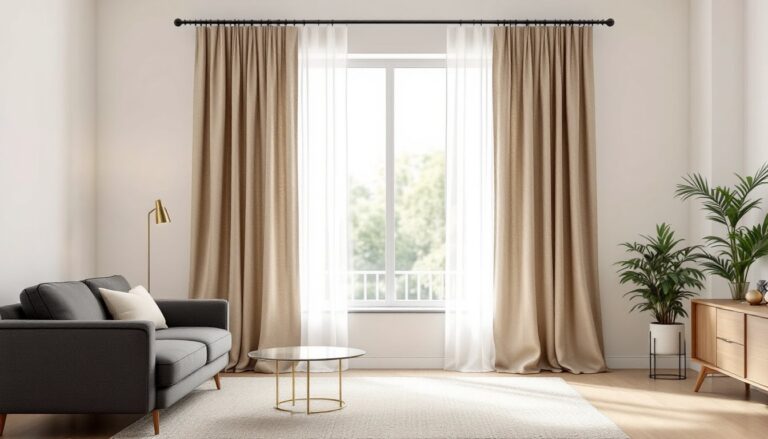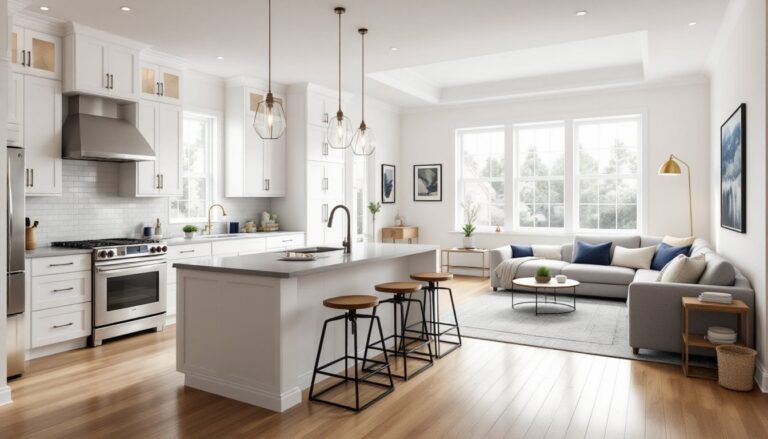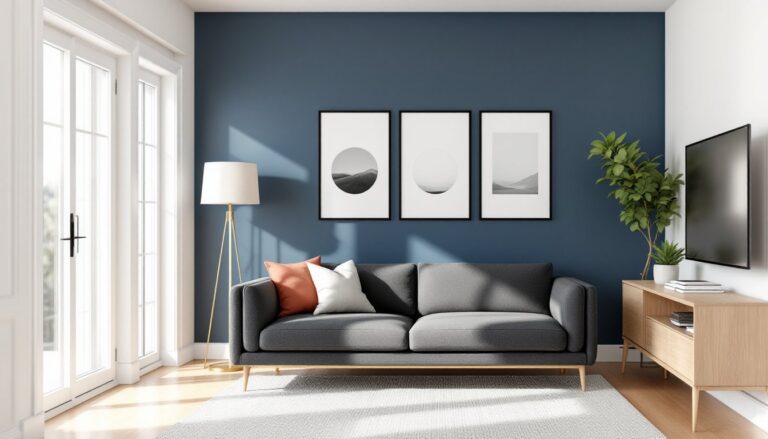
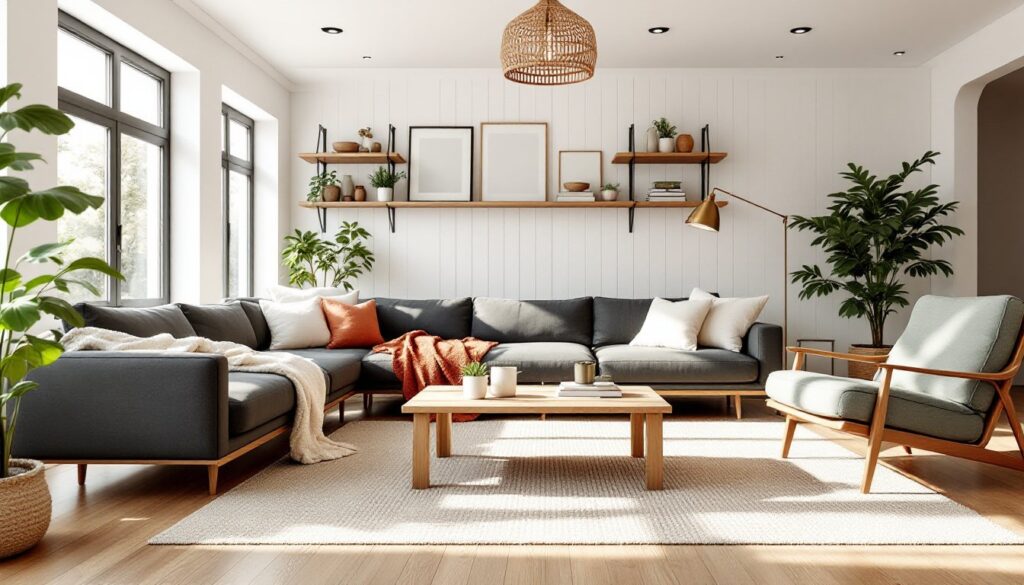

Creating a modern cozy living room isn’t about choosing between style and comfort, it’s about blending both. The challenge lies in merging clean lines and minimalist principles with warm textures and inviting spaces. Whether you’re starting from scratch or refreshing an existing room, the right combination of materials, furniture, and lighting can turn a cold, contemporary space into one that feels genuinely welcoming. This guide walks through practical design strategies and DIY-friendly projects that deliver results without requiring a full renovation or professional designer.
Table of Contents
ToggleKey Takeaways
- A modern cozy living room blends minimalist design with warm textures through neutral palettes, layered lighting, and tactile materials like linen, wool, and natural wood.
- Layered lighting with ambient, task, and accent fixtures using warm white bulbs (2700K-3000K) and dimmers is essential to avoid harsh shadows and create an inviting atmosphere.
- Furniture should prioritize comfort with deeper seats (26-28 inches), plush upholstery, and low-profile designs that float away from walls to encourage conversation.
- Budget-friendly DIY projects like floating shelves, upholstered accent walls, and peel-and-stick wood planks deliver high-impact results without requiring professional renovation or advanced skills.
- Texture is the key to warmth in modern cozy design—combine soft textiles, natural fibers, hard matte surfaces, and subtle metallic accents rather than relying on decorative patterns or excess ornament.
What Makes a Living Room Modern and Cozy?
Modern design traditionally emphasizes simplicity, open space, and minimal ornamentation. Cozy design prioritizes warmth, softness, and personal touches. The sweet spot is where those two intersect.
A modern cozy living room relies on neutral or muted color palettes paired with layered textures, think linen sofas, wool throws, and jute rugs. Furniture maintains clean silhouettes but incorporates plush upholstery. Decor stays minimal but intentional, avoiding both clutter and sterility.
Key markers include low-profile furniture with soft edges, abundant natural light balanced with warm artificial lighting, and materials that combine industrial elements (metal, concrete) with natural ones (wood, stone, fiber). The goal is a space that photographs well but also invites people to actually sit down and stay awhile.
Unlike traditional cozy spaces that might lean heavily on pattern and ornament, modern cozy design achieves warmth through material choice and lighting rather than decorative excess. It’s about doing more with less, but making sure that “less” still feels like home.
Essential Elements of Modern Cozy Living Room Design
Choosing the Right Color Palette and Textures
Start with a neutral base: warm whites (not stark white), soft grays, beiges, taupes, or greiges. These provide the clean backdrop modern design demands while avoiding the coldness of pure white or cool gray.
Layer in accent colors through textiles and decor, muted terracottas, sage greens, dusty blues, or warm ochres work well. Avoid high-contrast schemes: modern cozy design favors tonal variation within a limited palette.
Texture does the heavy lifting here. Combine at least three different tactile elements in each zone:
- Soft textiles: Linen, cotton, wool, or chenille for upholstery and throws
- Natural fibers: Jute, sisal, or wool rugs add warmth underfoot without pattern overload
- Hard surfaces: Matte-finish wood (oak, walnut, ash), concrete, or stone provide modern structure
- Metallic accents: Brushed brass, matte black, or aged bronze in small doses (light fixtures, hardware)
When selecting paint, consider low-sheen finishes (eggshell or matte) on walls. They soften light reflection and create a more inviting feel than semi-gloss. For a DIY texture boost, add board-and-batten or shiplap to one accent wall, it adds depth without requiring advanced carpentry skills. Use 1×4 or 1×6 boards (actual dimensions 3/4″ x 3.5″ or 3/4″ x 5.5″) spaced evenly, secured to studs with a finish nailer or construction adhesive and finish nails.
Selecting Furniture That Balances Style and Comfort
Modern furniture often sacrifices comfort for form. Avoid that trap.
Look for low-profile sofas and sectionals with track arms or slightly rounded edges, not rigid box shapes. Seat depth matters: 22-24 inches is standard, but deeper (26-28 inches) allows for curling up, which adds to the cozy factor. Cushion fill should blend high-density foam with down or fiber fill for support and softness.
Avoid: Glass coffee tables, overly angular chairs, and furniture that sits too high off the ground. These read as formal or cold.
Prioritize: Upholstered pieces in durable, textured fabrics (performance linen, bouclé, or textured cotton blends). Wood furniture should have visible grain and warm tones, avoid glossy lacquer finishes.
For seating beyond the sofa, consider a pair of lounge chairs or a large ottoman that doubles as extra seating and a footrest. Modern designs from mid-century inspiration (think Eames lounge influence, not replicas) work well here.
Arrange furniture to encourage conversation, not just TV viewing. Float the sofa away from walls if space allows: it makes the room feel intentional rather than shoved together. Leave at least 30-36 inches of walkway clearance around main traffic paths.
Lighting Strategies to Create Warmth and Ambiance
Lighting is where modern rooms often fail the cozy test. Overhead-only lighting creates harsh shadows and an uninviting atmosphere.
Use a layered lighting approach with at least three types:
-
Ambient lighting: Recessed LED cans or a flush-mount ceiling fixture provide general illumination. Use warm white bulbs (2700K-3000K color temperature), not cool white or daylight bulbs. Dimmers are non-negotiable, they allow adjustment for different times of day and activities.
-
Task lighting: Floor lamps next to reading chairs, table lamps on side tables or consoles. Aim for 40-60 watts equivalent in LED (around 450-800 lumens) for reading comfort. Choose fixtures with fabric or paper shades to diffuse light softly.
-
Accent lighting: Picture lights on artwork, LED strip lighting under floating shelves, or a statement pendant in a corner seating area. This adds visual interest and highlights design elements, drawing the eye around the room.
Skip the cold, industrial-style exposed Edison bulbs unless they’re paired with warm filament LEDs. Instead, consider natural materials in light fixtures: woven rattan pendants, wood and linen floor lamps, or ceramic table lamps.
For a quick DIY upgrade, install dimmer switches on all existing overhead fixtures. It’s a straightforward electrical project if you’re comfortable working with a breaker panel, shut off power, remove the existing switch, connect hot (black), neutral (white, if required by your dimmer), and ground (green or bare copper), then secure the dimmer in the box. Check if your LED bulbs are dimmable first: not all are compatible. Dimmer switches typically run $15-30, and installation takes about 15 minutes per switch. Safety note: If you’re unfamiliar with electrical work, hire a licensed electrician. Incorrect wiring poses fire and shock hazards, and some modern home design strategies emphasize professional help for electrical upgrades.
DIY Projects to Add Cozy Modern Touches on a Budget
You don’t need to replace everything to shift the feel of a room. These projects deliver high impact without major investment.
1. Build a simple floating shelf unit
Floating shelves made from solid wood (poplar, oak, or pine) add warmth and display space for books, plants, or decor. Use 2×10 or 2×12 boards (actual 1.5″ x 9.25″ or 1.5″ x 11.25″) cut to desired length. Install with heavy-duty floating shelf brackets rated for at least 50 lbs each, secured into wall studs with 3-inch wood screws. Finish with stain or matte polyurethane.
Tools needed: Stud finder, drill, level, miter saw or circular saw
Time: 2-3 hours
Cost: $40-80 per shelf depending on wood grade
2. Create a DIY upholstered headboard wall
Even if your living room doesn’t have a bed, the technique works for an accent wall panel behind a sofa. Cut 1/2-inch plywood to size, wrap with 2-inch foam padding, then cover with fabric (linen or cotton canvas work well). Secure fabric to the back with a staple gun. Mount the panel to the wall with French cleats or Z-clips for easy removal.
Tools needed: Circular saw, staple gun, drill
Time: 3-4 hours
Cost: $60-120 depending on fabric and panel size
3. Install peel-and-stick wood planks or tile
Real wood or luxury vinyl plank (LVP) peel-and-stick planks can go directly over drywall to create a wood accent wall. Unlike shiplap, these require no nailing or painting, just clean the wall, level your starting line, and press planks into place. Look for products with strong adhesive backing and matte finishes, which are commonly featured among cozy modern interiors in contemporary design showcases.
Tools needed: Level, utility knife, tape measure
Time: 4-6 hours for an 8×10 wall
Cost: $2-5 per square foot
4. Add crown molding or baseboards
Simple, flat-profile molding in a matte white or matching wall color adds architectural interest without traditional fussiness. Use a miter saw for clean 45-degree corner cuts. Install with a finish nailer and 18-gauge 2-inch brad nails, then fill nail holes with paintable caulk.
Tools needed: Miter saw, finish nailer (or hammer and nail set), caulk gun
Time: 1 day for an average living room
Cost: $1-3 per linear foot for paint-grade MDF or pine
5. Swap hardware and fixtures
Replace builder-grade light switches, outlet covers, door handles, and curtain rods with upgraded versions in consistent finishes (matte black, brushed brass, or satin nickel). It’s a small change that creates a more cohesive, finished look. Plenty of ideas for modern hardware and fixture updates appear in home design galleries focused on affordable transformations.
Time: 2-3 hours
Cost: $50-150 total
Safety reminder: For all projects, wear safety glasses when cutting or drilling, use a dust mask when sanding, and ensure proper ventilation when applying finishes or adhesives.
Conclusion
A modern cozy living room doesn’t require a full gut or designer budget. It’s built on intentional choices, warm neutrals, layered textures, thoughtful lighting, and furniture that actually invites use. Start with one or two high-impact changes, whether that’s repainting in a softer tone, adding dimmable lighting, or tackling a weekend DIY project. The goal is a space that feels both pulled together and lived-in, where modern design principles support comfort instead of competing with it.