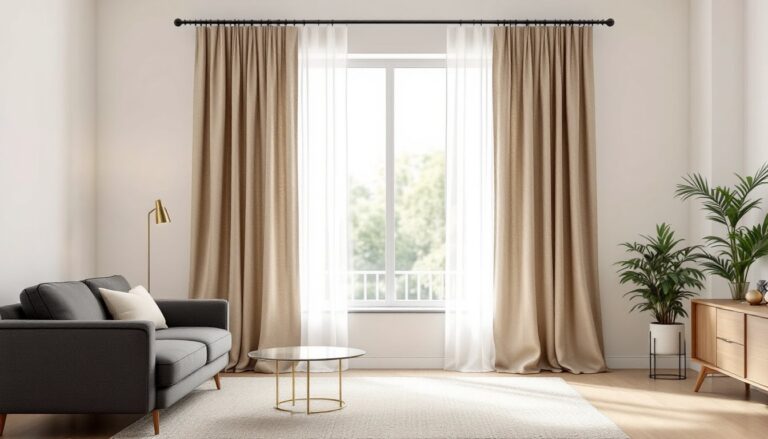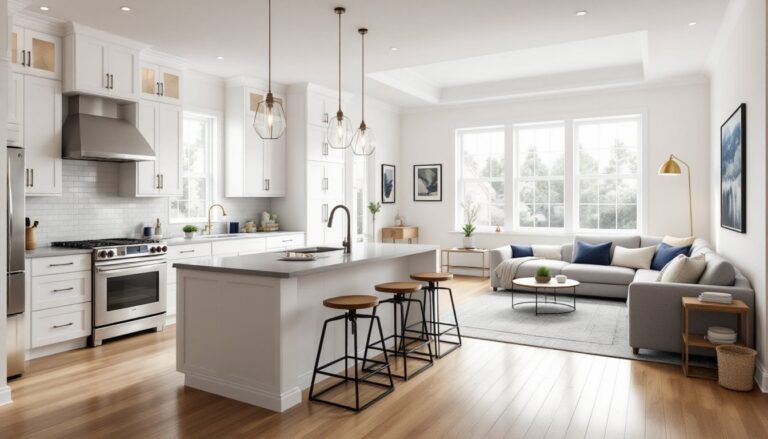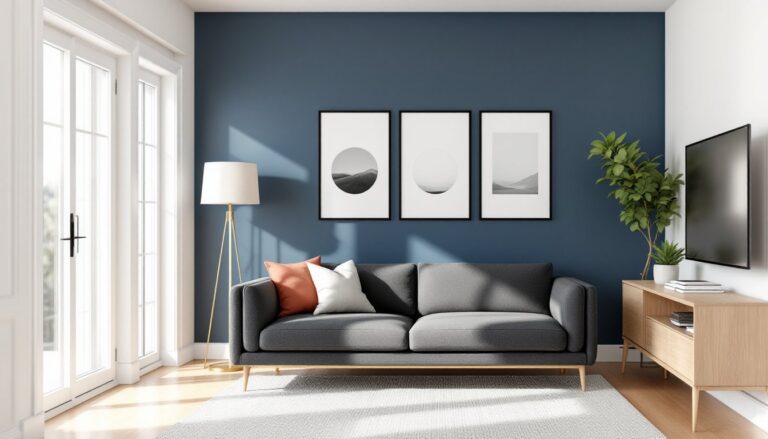
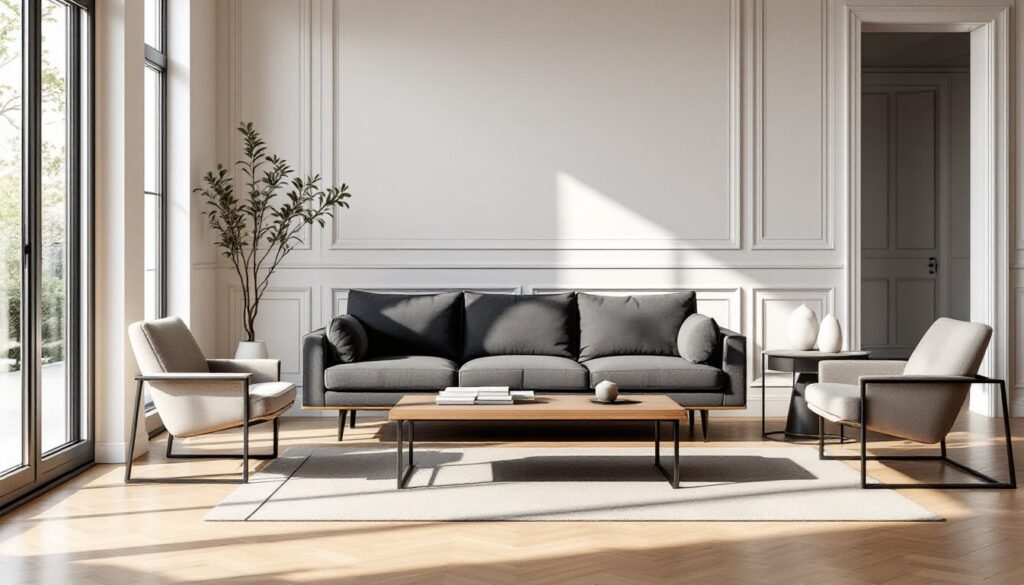

Shopping for a modern living room set isn’t about chasing trends, it’s about finding furniture that balances form and function for how people actually live in 2026. Whether you’re furnishing a new home or replacing worn-out pieces, the right set anchors your space, defines traffic flow, and sets the tone for the rest of your interior. This guide walks through what separates modern furniture from other styles, what to look for when comparing sets, and how to make a smart purchase without overspending or compromising on quality.
Table of Contents
ToggleKey Takeaways
- Modern living room sets prioritize clean lines, minimal ornamentation, and honest materials—design principles that balance form and function for everyday living in 2026.
- Frame construction using kiln-dried hardwood and high-density foam (1.8 lbs/ft³+) is critical for durability, while performance fabrics with 30,000+ Wyzenbeek ratings resist stains and wear in active households.
- Measure doorways and walkways before purchasing; modern sets often feature narrower profiles (72–78 inches) that optimize smaller spaces but require careful verification of dimensions and traffic flow.
- Scandinavian modern, industrial modern, Japanese-inspired minimalism, and sustainable modern represent the dominant style directions, each with distinct material palettes suited to different home aesthetics and values.
- A quality modern sofa justifies investment at $2,500–$4,500 for mid-range sets, as it lasts 10–15 years with proper care, while secondary pieces like coffee tables can be sourced affordably or secondhand.
- Test comfort before buying—sit for at least five minutes to verify arm height, seat depth, and back support, as some modern designs sacrifice functionality for visual aesthetics.
What Defines a Modern Living Room Set?
A modern living room set typically refers to furniture designed with clean lines, minimal ornamentation, and a focus on geometric forms. Unlike mid-century modern (which leans retro with tapered legs and warm woods) or contemporary styles (which shift with current trends), modern design draws from early-to-mid 20th-century principles: simplicity, functionality, and honest use of materials.
Most modern sets include a sofa, loveseat or accent chairs, and a coffee table. Some packages add end tables or media consoles. The unifying thread is restraint, no carved wood flourishes, no tufted backs with dozens of buttons, no ornate legs. Instead, expect flat or slightly angled arms, low profiles, and neutral upholstery in gray, beige, black, or white.
Materials lean industrial: metal frames, tempered glass, engineered wood with smooth veneers, and leather or performance fabrics. The goal is visual simplicity that doesn’t distract from the room’s architecture or the people using it. If a piece can’t justify its presence functionally or aesthetically, it doesn’t belong in a modern set.
Key Features to Look for in Modern Living Room Furniture
Not all modern furniture is built the same. Two sofas can look nearly identical in photos but differ dramatically in longevity, comfort, and real-world performance. Focus on these fundamentals.
Material Quality and Durability
Frame construction matters more than upholstery color. Look for kiln-dried hardwood frames (oak, maple, or beech) or high-grade plywood, avoid particleboard or softwoods in weight-bearing components. Joints should use dowels, corner blocks, and glue, not just staples. Metal frames work well in industrial-modern designs, but check gauge thickness: thin tubing can flex or squeak under load.
Cushion fill affects both comfort and shape retention. High-density foam (1.8 lbs/ft³ or higher) holds up to daily use without sagging. Some sets use foam cores wrapped in fiber or down-alternative for a softer feel. Avoid all-polyester fill in budget sets, it compresses quickly and won’t bounce back.
Upholstery fabrics vary widely. Performance fabrics like Crypton or Sunbrella resist stains and moisture, ideal for homes with kids or pets. Leather (top-grain or full-grain) ages well and cleans easily but costs more upfront. Linen and cotton blends look sharp but require more maintenance. Check the Wyzenbeek rating for abrasion resistance, anything above 15,000 double rubs is suitable for residential use: 30,000+ is commercial-grade.
Configuration and Space Optimization
Modern sets often prioritize adaptability. Modular sectionals let you rearrange pieces as your layout changes, helpful in open-plan homes or if you move frequently. Look for interlocking brackets or clips that keep modules aligned without visible hardware.
Scale is critical. A standard three-seat sofa runs 84 to 96 inches wide, but many modern designs go narrower (72 to 78 inches) with shallower seat depths (30 to 32 inches instead of 36+). This works well in smaller rooms or condos where every inch counts. Measure your doorways, hallways, and stairwells before ordering, oversized sectionals often can’t make tight turns, and furniture companies charge hefty restocking fees.
Leg height affects cleaning and visual weight. Low-profile sets with legs under 4 inches look sleek but make vacuuming underneath difficult. Six-inch legs offer a good compromise, you can slide a robotic vacuum under without the furniture appearing to float. Exposed metal or wood legs are easier to keep clean than skirted bases, which trap dust and pet hair.
Popular Modern Living Room Set Styles in 2026
Modern design splits into several recognizable directions in 2026, each with distinct material palettes and proportions.
Scandinavian modern remains popular for its warmth and approachability. Think light ash or birch wood frames, off-white or pale gray fabrics, and gently rounded edges. Sets often include a low-profile sofa with angled legs, a nesting coffee table, and matching side tables. It’s modern without feeling cold, a good choice if you want minimalism but still need the space to feel inviting.
Industrial modern leans harder into raw materials: blackened steel frames, distressed leather, concrete or reclaimed wood coffee tables. This style works well in lofts or homes with exposed brick and ductwork. Be mindful of weight, industrial pieces can be heavy, and metal edges aren’t kid-friendly.
Japanese-inspired minimalism has gained traction, drawing from concepts like ma (negative space) and low furniture profiles. Sets feature platform-style sofas close to the floor, clean-lined wood frames in walnut or teak, and neutral textiles. Some designs incorporate built-in side tables or floating shelves. This style demands restraint elsewhere in the room, clutter kills the effect.
Sustainable modern is less a visual style than a material philosophy. Manufacturers are using FSC-certified wood, recycled steel frames, and plant-based foams. Look for certifications like GREENGUARD Gold (low VOC emissions) or OEKO-TEX (textile safety). These sets don’t sacrifice aesthetics but appeal to buyers prioritizing environmental impact. Many design-forward brands now spotlight sustainable collections alongside traditional offerings.
One emerging trend is modular, multifunctional furniture, sofas with hidden storage, coffee tables that lift to dining height, or ottomans that convert to extra seating. These work particularly well in smaller homes or multipurpose rooms where space is at a premium.
How to Choose the Right Set for Your Space
Start with a floor plan. Measure the room’s dimensions, then mark windows, doors, outlets, and vents. Cut paper templates to scale (or use painter’s tape on the floor) to visualize furniture placement. Leave at least 30 inches of walkway space around seating, 36 inches is better for high-traffic areas.
Consider traffic flow. In open-plan layouts, the living room set often defines zones. A sectional can act as a room divider between the living and dining areas, but make sure it doesn’t block sightlines to windows or create awkward dead-end paths.
Seating capacity depends on household size and how you entertain. A three-seat sofa plus two accent chairs typically seats five comfortably. If you host regularly, a sectional with a chaise or an L-configuration offers more flexibility. Don’t forget the coffee table clearance, leave 14 to 18 inches between the table edge and sofa for legroom.
Color and material should complement existing finishes. If you have warm-toned hardwood or oak trim, a sofa in charcoal gray or taupe with walnut legs ties the palette together. Cool-toned spaces (white walls, concrete floors, stainless fixtures) pair well with black, navy, or crisp white upholstery and metal accents.
Test before you buy, if possible. Sit on the sofa for at least five minutes, some modern designs sacrifice comfort for aesthetics. Check arm height (does it interfere with side tables or lamps?), seat depth (can you sit back and put your feet flat on the floor?), and back support. Many modern interiors showcase furniture in styled vignettes, but real-world comfort matters more than Instagram appeal.
If the set includes a coffee table, verify it’s the right height. Standard is 16 to 18 inches, roughly the same as your sofa seat or slightly lower. Glass tops show fingerprints and water rings: wood or stone require coasters but age more gracefully.
Budget Considerations and Value Tips
Modern living room sets range from $1,200 for entry-level packages to $8,000+ for designer pieces with premium materials. Expect to spend $2,500 to $4,500 for a mid-range set (sofa, loveseat, coffee table) with solid construction and performance fabrics.
Where to save: Coffee and end tables are easier to DIY or source secondhand. A simple steel-and-wood table costs $100 to $300 and doesn’t need the same durability as seating. You can also mix and match, buy the sofa and chairs from one line, then add accent tables that complement the style without matching exactly.
Where to invest: The sofa is the workhorse. If budget forces a choice, spend more on the sofa and less on accent pieces. A quality sofa lasts 10 to 15 years with proper care: cheap ones start sagging in three.
Buying direct from manufacturers often cuts 20% to 40% off retail, though you’ll sacrifice showroom test-sits. Read return policies carefully, restocking fees and return shipping can cost hundreds.
Timing matters. Furniture retailers clear inventory in January, February, July, and August. Holiday sales (President’s Day, Memorial Day, Labor Day) also bring discounts, though selection narrows. Scratch-and-dent or floor model discounts can save 30% to 50% if you can tolerate minor cosmetic flaws.
Financing is common, but watch for deferred interest traps. Many “no interest for 12 months” offers charge retroactive interest if you don’t pay in full before the term ends. If you finance, set up autopay to clear the balance before the deadline.
Delivery and assembly add cost. White-glove delivery (room placement and box removal) runs $150 to $300 depending on distance and stairs. Some sets require assembly, if it’s more than attaching legs, factor in 2 to 4 hours and have a drill, Allen wrenches, and a second person on hand. Modular sectionals often ship in multiple boxes that won’t arrive the same day: confirm delivery windows before scheduling time off work.