
A living room should be more than functional, it should feel like the room you actually want to spend time in. Creating warmth and comfort doesn’t require a full remodel or designer budget. With the right combination of textures, lighting, color, and furniture arrangement, any living room can shift from cold and uninviting to cozy and welcoming. Most of these changes are surface-level tweaks that any DIYer can tackle over a weekend, with no permits or pros required. This guide walks through six practical strategies to turn a living room into a space that genuinely feels like home.
Table of Contents
ToggleKey Takeaways
- Layering soft textures like throw blankets, varied pillows, plush rugs, and lined curtains instantly transforms a cold living room into a warm, inviting space without major renovation.
- Choosing a warm color palette with neutral tones like beige, taupe, and greige—paired with warm accent colors such as rust and mustard—creates a cozy atmosphere that encourages comfort and relaxation.
- Combining multiple light sources at different heights, using warm-temperature bulbs (2700K–3000K), and installing dimmers gives you control to set a welcoming ambiance throughout the day and evening.
- Incorporating natural elements like wood furniture, live plants, woven baskets, and stone accessories adds organic warmth that balances modern interiors and prevents spaces from feeling over-designed.
- Floating furniture away from walls and arranging seating in conversation-focused groupings makes the room feel intentional and encourages connection without costly rearrangement.
- Adding a fireplace or electric fire feature serves as a visual and emotional anchor that elevates the entire cozy living room experience.
Layer Soft Textures for Instant Warmth
Texture is one of the fastest ways to warm up a room. Hard surfaces, leather, wood, metal, read as modern but can feel cold. Soft fabrics add visual and tactile comfort.
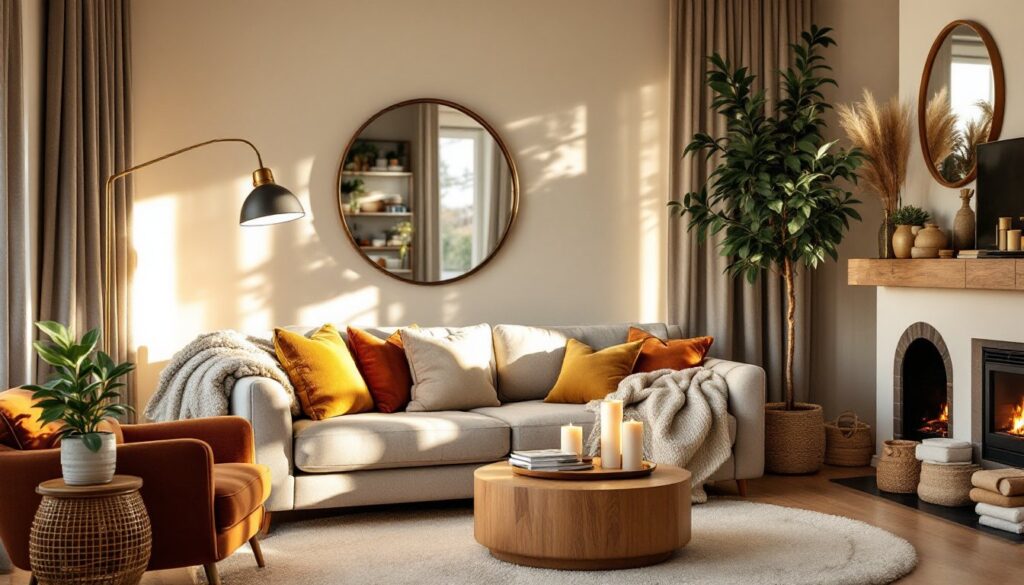
Start with textiles: Add throw blankets in chunky knits, faux fur, or fleece to sofas and chairs. Drape them casually over armrests or fold them at one end, don’t overthink the styling. Swap out standard pillows for a mix of materials: velvet, linen, wool, or boucle. Aim for three to five pillows per sofa in varying sizes (18″, 20″, and 22″ covers work well). Avoid matching sets: mix patterns and solids within the same color family.
Rugs anchor the room: If the floor is tile, laminate, or hardwood, a plush area rug makes an immediate difference. Wool or high-pile synthetic rugs (like polypropylene) add warmth underfoot and help with acoustics. Size matters, 8′ x 10′ is standard for most living rooms, with front furniture legs sitting on the rug. Smaller rugs can look like an afterthought.
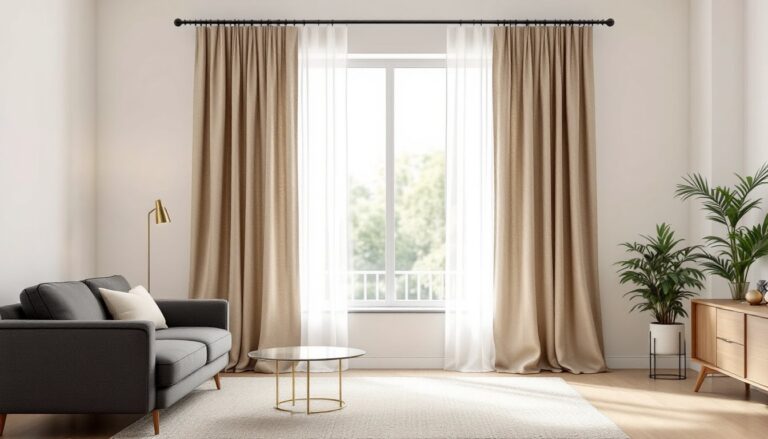
Window treatments: Swap blinds or bare windows for lined curtains. Thermal-backed or blackout curtains in heavier fabrics (velvet, cotton blends) add insulation and soften the room. Hang them high and wide, mount the rod 4–6 inches above the window frame and extend it 3–4 inches beyond each side to make windows look larger and let in more light when open.
These changes don’t require tools beyond a drill for curtain rods, and they’re all reversible for renters.
Choose a Warm, Inviting Color Palette
Color temperature affects how a room feels. Cool tones (grays, blues, stark whites) can read as sterile. Warm tones create a sense of comfort without touching the furniture.
Paint is the easiest shift: If walls are builder-white or cool gray, consider repainting in warm neutrals, beige, taupe, greige (gray-beige blend), or soft terracotta. These shades reflect warmer light and pair well with wood tones. One gallon of quality interior paint covers roughly 350–400 square feet with one coat: most living rooms need two coats. Brands like Sherwin-Williams or Benjamin Moore offer low-VOC options that dry faster and smell less.
Don’t skip primer if covering a bold color or patching drywall. Use a stain-blocking primer on repairs to avoid bleed-through.
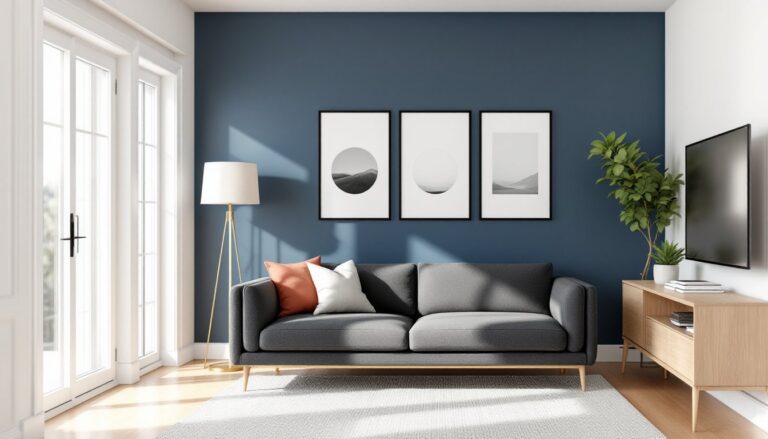
Accent walls: If a full repaint feels like too much, one accent wall in a deeper warm tone, rust, ochre, or warm brown, adds depth. Paint the wall opposite the main seating or the one behind the sofa for visual balance.
Accessories and decor: Pull warm tones into the room with accessories. Brass or bronze light fixtures, picture frames, and hardware read warmer than chrome or nickel. Throw pillows, artwork, and decor in amber, rust, mustard, or burnt orange reinforce the palette. Interior design experts at Homedit frequently highlight how cohesive color layering elevates a room’s overall feel.
Avoid overloading one color, vary the shades within the warm spectrum to keep it from feeling flat.
Create Ambient Lighting with Layers
Overhead lighting alone flattens a room. Layering light sources at different heights adds warmth and control.
Three types of lighting work together:
- Ambient (general): Overhead fixtures, recessed lights, or ceiling fans with lights. Swap cool-temperature bulbs (5000K–6500K, which read blue-white) for warm white bulbs (2700K–3000K). This small change makes a noticeable difference. Use dimmable LEDs when possible, 9W LED equals roughly 60W incandescent.
- Task lighting: Floor lamps and table lamps provide focused light for reading or specific areas. Position a floor lamp behind or beside seating, not in traffic paths. Swing-arm or adjustable lamps let users direct light as needed.
- Accent lighting: Wall sconces, picture lights, or LED strip lights add subtle glow. Battery-powered LED strips under shelving or behind media consoles create soft backlighting without running new electrical.
Practical tips:
- Use three-way bulbs in lamps for adjustable brightness (50W/100W/150W equivalent).
- Install dimmer switches on overhead lights. Basic single-pole dimmers cost $15–$25 and take 20 minutes to install with a screwdriver and voltage tester. Shut off the breaker before touching any wiring.
- Avoid placing all lights on one switch, splitting circuits gives more control.
Candles and firelight (real or battery) add flicker and warmth. Cluster pillar candles on trays or use flameless LED candles with timers for low-effort ambiance.
Layering light transforms a room from flat to dimensional, especially in the evening.
Add Natural Elements and Wood Accents
Natural materials, wood, stone, plants, ground a room and add organic warmth. They contrast well with soft textiles and prevent a space from feeling too “decorated.”
Wood tones: If furniture is metal or glass-heavy, introduce wood through side tables, shelving, picture frames, or a coffee table. Lighter woods (oak, maple, birch) feel airy: darker woods (walnut, mahogany) add richness. Reclaimed or distressed wood brings texture. Avoid matching wood tones exactly, mixing finishes (a walnut coffee table with oak shelving) looks more collected.
Wood blinds or faux-wood blinds add warmth to windows. Real wood blinds run $150–$300 per window but last decades. Faux-wood (PVC or composite) costs half that and holds up better in humid rooms.
Live plants: Greenery softens hard edges and improves air quality. Low-maintenance options for living rooms include pothos, snake plants, ZZ plants, and rubber trees. Use pots in natural materials, terracotta, ceramic, woven baskets, rather than plastic. Group plants at varying heights (floor plant, side table plant, hanging plant) for visual interest.
Other natural elements:
- Woven baskets for storage (blankets, magazines, remotes)
- Stone or ceramic vases and planters
- Jute or sisal rugs layered under softer rugs
- Driftwood, branches, or dried florals in tall vases
Design platforms like MyDomaine regularly showcase how natural textures balance modern interiors and create inviting environments.
These materials don’t require installation, just placement, and they’re easy to swap seasonally.
Arrange Furniture for Conversation and Comfort
Furniture placement changes how a room feels. Pushing everything against the walls creates dead space in the center. Arranging seating in a loose grouping makes the room feel intentional and inviting.
Basic layout principles:
- Pull furniture away from walls: Even 12–18 inches makes a difference. Float the sofa a foot off the wall to define the seating area.
- Create a conversation zone: Arrange seating so people can make eye contact without craning their necks. A sofa facing two chairs with a coffee table between works well. Keep seating within 8–10 feet of each other.
- Use area rugs to define zones: The rug should sit under at least the front legs of all seating pieces. If the rug is too small, it fragments the space.
- Consider traffic flow: Leave 30–36 inches of clearance for walkways. Don’t block doorways or force people to weave around furniture.
Coffee table spacing: Position the coffee table 14–18 inches from the sofa edge, close enough to reach, far enough to move past. Oval or round tables work better in tight spaces than rectangular ones.
Add a reading nook or secondary seating: If space allows, place an accent chair with a side table and lamp in a corner. This creates a retreat within the room and makes it feel more lived-in.
Avoid common mistakes:
- Matching furniture sets can look stiff. Mix styles and materials.
- Oversized sectionals in small rooms overwhelm the space. Measure before buying, most sectionals are 100+ inches long.
- Facing all furniture toward the TV makes the room feel like a theater, not a gathering space.
Rearranging furniture costs nothing and makes a bigger impact than most decor swaps.
Incorporate a Fireplace or Faux Fire Feature
A fireplace, or the illusion of one, anchors a cozy living room. If the home already has a fireplace, make it a focal point. If not, faux options deliver warmth without structural work.
Working fireplaces:
- Wood-burning: Clean the chimney annually (costs $150–$300 depending on region) and inspect the damper and flue. Stack firewood in a basket or metal holder nearby, seasoned hardwoods (oak, maple) burn longer and cleaner than softwoods.
- Gas fireplaces: Check the pilot light and clean the glass front. Gas logs don’t produce real heat, but they create ambiance without ash or smoke. Most gas fireplaces require annual inspection per manufacturer specs.
- Decorate the mantel: Layer decor at varying heights, candlesticks, small plants, framed art, or a large mirror above. Avoid cluttering: leave some negative space.
Electric and faux fireplaces:
Electric fireplace inserts fit into existing hearths or mount on walls. Most produce 4,000–5,000 BTUs, enough to heat 400–500 square feet. They plug into standard 120V outlets and don’t require venting. Brands like Duraflame or Real Flame offer realistic flame effects with adjustable heat settings.
Freestanding electric stoves mimic wood stoves and tuck into corners. They’re portable and require no installation, just plug and use.
Tabletop ethanol fireplaces burn clean bioethanol fuel and produce real flames without venting. They don’t generate significant heat but add ambiance. Keep them away from curtains and fabrics, and never leave them unattended.
For additional inspiration on creating cozy living spaces, many design resources highlight how fire features elevate room warmth.
Safety note: Install a working smoke detector and carbon monoxide detector in any room with a fireplace or space heater. Test them monthly and replace batteries annually. Keep a fire extinguisher rated for Class A and B fires within reach.
A fireplace, real or faux, adds a visual and emotional anchor that other decor can’t replicate.
Conclusion
Transforming a living room into a warm, cozy space comes down to layering, textures, light, color, and natural elements. Most of these changes require basic DIY skills and no structural work. Focus on what makes the room feel welcoming to those who use it, not what trends dictate. A room that’s comfortable to live in beats a room that just looks good in photos. Start with one or two changes, see what sticks, and build from there.